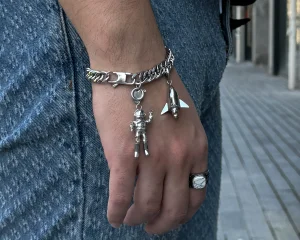

Walk into any jewelry store in 2026, and you’ll notice something that would have surprised buyers five years ago: a wall of stainless steel jewelry that looks indistinguishable from fine silver pieces. The difference? The price tag, and the fact that most of it is made from 316L-grade steel.
This isn’t a trend that fades by next season. Here’s why 316L stainless steel jewelry has become the default choice for both wearers and the brands that sell it.
What Makes 316L Different from Other Stainless Steel
Not all stainless steel is created equal. The “L” in 316L stands for low carbon, and that small change in alloy composition is what separates jewelry-grade steel from the stuff used to make kitchen sinks.
316L contains molybdenum, a mineral that boosts corrosion resistance, especially against saltwater and sweat. This matters because most cheap stainless steel jewelry uses 201 or 304 grade — formulations that start to rust or discolor within weeks of regular wear. 316L doesn’t.
The Hypoallergenic Factor Nobody Talks About Enough
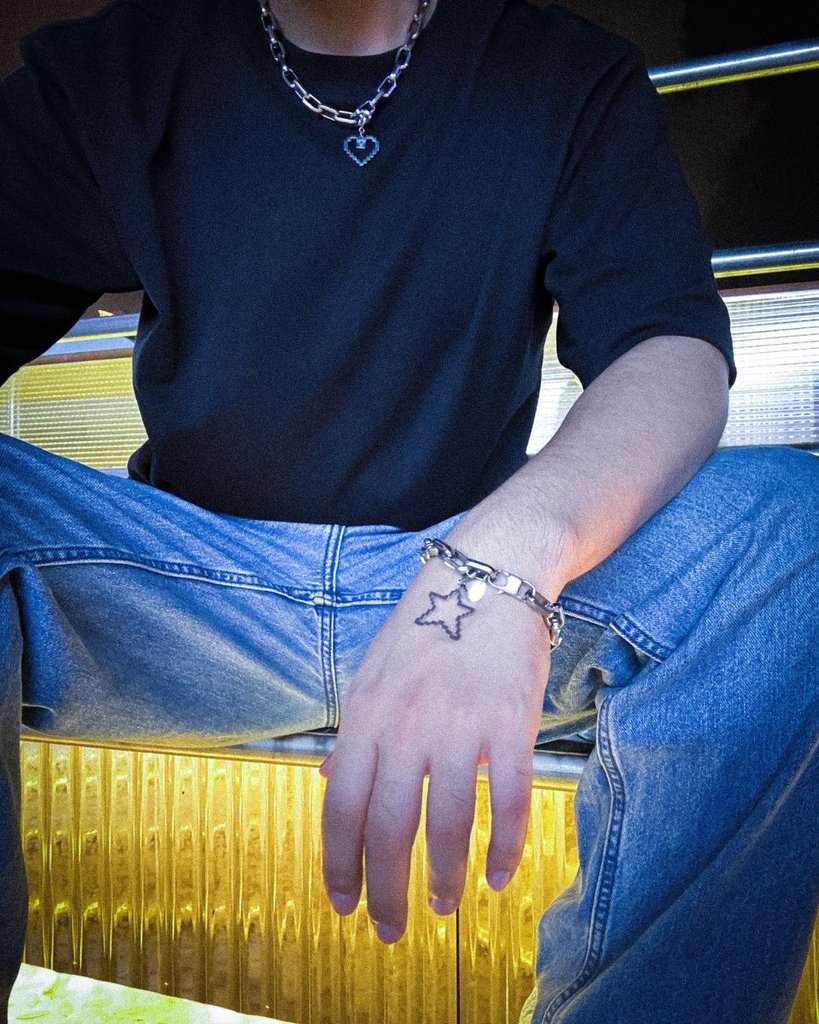
Roughly one in every eight people has some level of nickel sensitivity. For them, a cheap ring bought online isn’t just uncomfortable — it can leave a green ring around the finger or a rash that lasts for days.
316L stainless steel is nickel-free by composition. The alloy binds nickel so tightly that virtually none of it leaches into the skin. That’s why dermatologists increasingly recommend it for people who can’t wear gold or silver. For jewelry brands, this single fact opens up an entire customer segment that used to be locked out of fashion accessories entirely.
Waterproof, Tarnish-Proof, and Actually Built for Daily Wear
Here’s the part that changes consumer behavior: you can shower, swim, workout, and sleep in 316L stainless steel jewelry without taking it off. No polishing cloth required. No panic when someone forgets to remove a ring before jumping in the pool.
PVD-coated versions add a titanium-based plating layer that holds color 5–10 times longer than traditional electroplating. Rose gold and black finishes that used to fade in months now look fresh after years.
Why Brands Are Ditching Sterling Silver for Stainless Steel Jewelry
For brand owners, the math is straightforward. Sterling silver jewelry requires high MOQs, constant polishing, and fragile shipping. Stainless steel jewelry manufacturers can produce the same design in weeks, at a fraction of the unit cost, with near-zero return rates from tarnishing complaints.
The result? More DTC jewelry startups launching exclusively on stainless steel in 2026, and established brands quietly expanding their stainless lines while scaling back on silver.
The Bottom Line
Stainless steel jewelry stopped being a “fast fashion” option years ago. In 2026, it’s simply the most practical, durable, and inclusive material available — for your customers, and for your bottom line.